












Germany Adds 1.4 GW of Solar PV Capacity in July, with Solar Cables Supporting Energy Transition
Germany Adds 1.4 GW of Solar PV Capacity in July, with Solar Cables Supporting Energy Transition
AUGUST 22ST,2025
Latest data from Germany's Federal Network Agency (Bundesnetzagentur) shows that the country installed approximately 1.4 GW of new solar photovoltaic (PV) capacity in July, marking a noticeable increase from June and maintaining stability compared to the same period last year. This article analyzes the breakdown of new installations, compares cumulative data, and highlights the critical role of solar cables in advancing the nation's renewable energy development.
Germany's Federal Network Agency (Bundesnetzagentur) recently released new data indicating that the country added approximately 1.4 gigawatts (GW) of solar PV capacity in July this year. This figure represents a significant increase from June's 1,033 megawatts (MW) and is on par with the approximately 1.4 GW recorded in June 2024, reflecting Germany's sustained efforts in the field of solar power generation.
In terms of cumulative data for the first seven months of this year, Germany's new solar PV installations reached around 8.64 GW. However, this number is slightly lower than the 9.34 GW recorded in the same period last year, a change that has drawn industry attention to short-term fluctuations in the PV market. Nevertheless, Germany's total solar PV capacity has now successfully exceeded the 109 GW mark, underscoring its solid progress in the development of renewable energy.
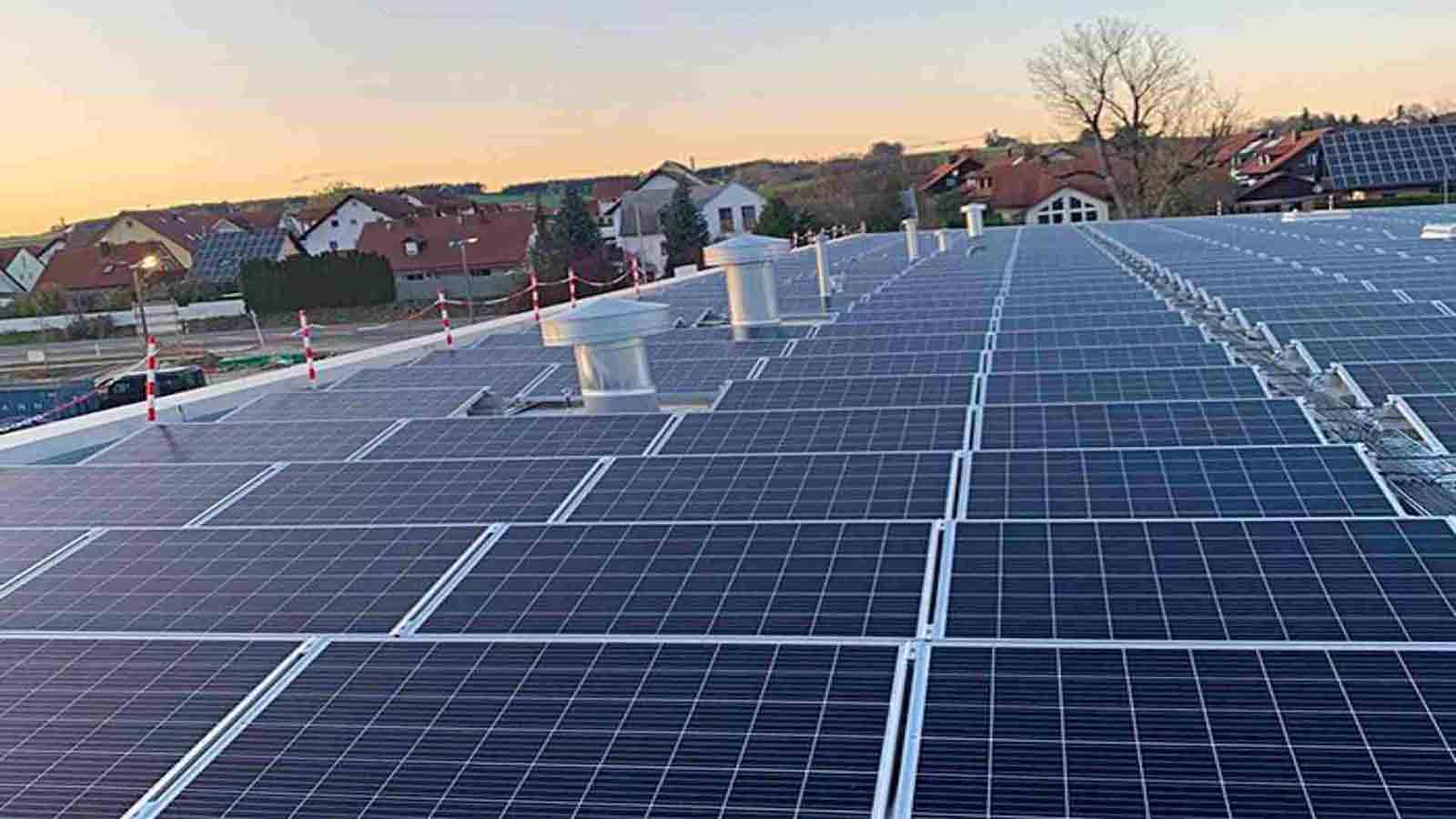
A closer look at the composition of July's new installations reveals that rooftop systems performed impressively, contributing 628.7 MW. Rooftop PV systems, leveraging their advantage of flexible installation on urban and rural buildings, have become a key component of distributed energy. They not only make full use of existing building spaces but also supply electricity to users locally, reducing losses during power transmission. Ground-mounted projects also held their own, with new installations reaching 581.9 MW. Large-scale ground-mounted solar farms can generate electricity efficiently in a centralized manner, playing a vital role in meeting regional power demand. Additionally, the remaining capacity came from other types of systems, reflecting the diversified development characteristics of Germany's PV market.
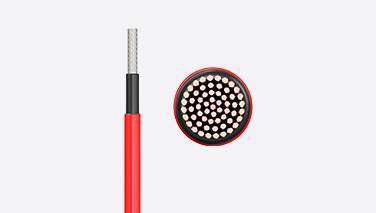
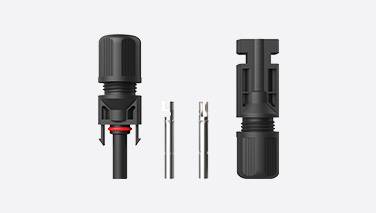
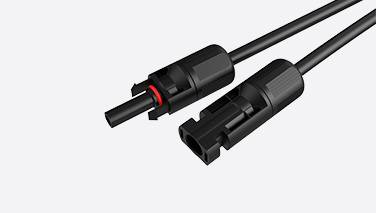
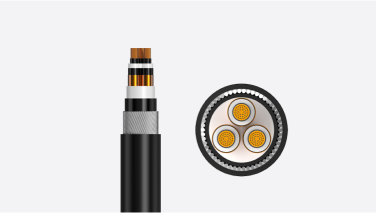
In the development of the PV industry, solar cables are an indispensable and crucial component. These cables are responsible for transmitting electricity generated by solar panels to devices such as inverters, and their performance directly affects the efficiency and safety of PV systems. Since PV systems are typically installed outdoors, they face complex environmental conditions such as high temperatures, ultraviolet radiation, and humidity. As a result, solar cables are subject to strict requirements regarding weather resistance, corrosion resistance, and high-temperature tolerance. High-quality solar cables can operate stably for a long time in harsh environments, ensuring smooth power transmission, reducing energy loss, and thereby improving the overall efficiency of PV systems. With the continuous growth of Germany's PV capacity, the demand for solar cables has been on the rise, driving manufacturers to continuously innovate and upgrade their products to meet market needs.
Germany's sustained investment in the PV sector is not only a key measure to address energy transition and reduce reliance on traditional fossil fuels but also provides valuable experience for the global development of renewable energy. Looking ahead, with continuous technological progress and further cost reductions, Germany's PV industry is expected to embrace broader development prospects.


